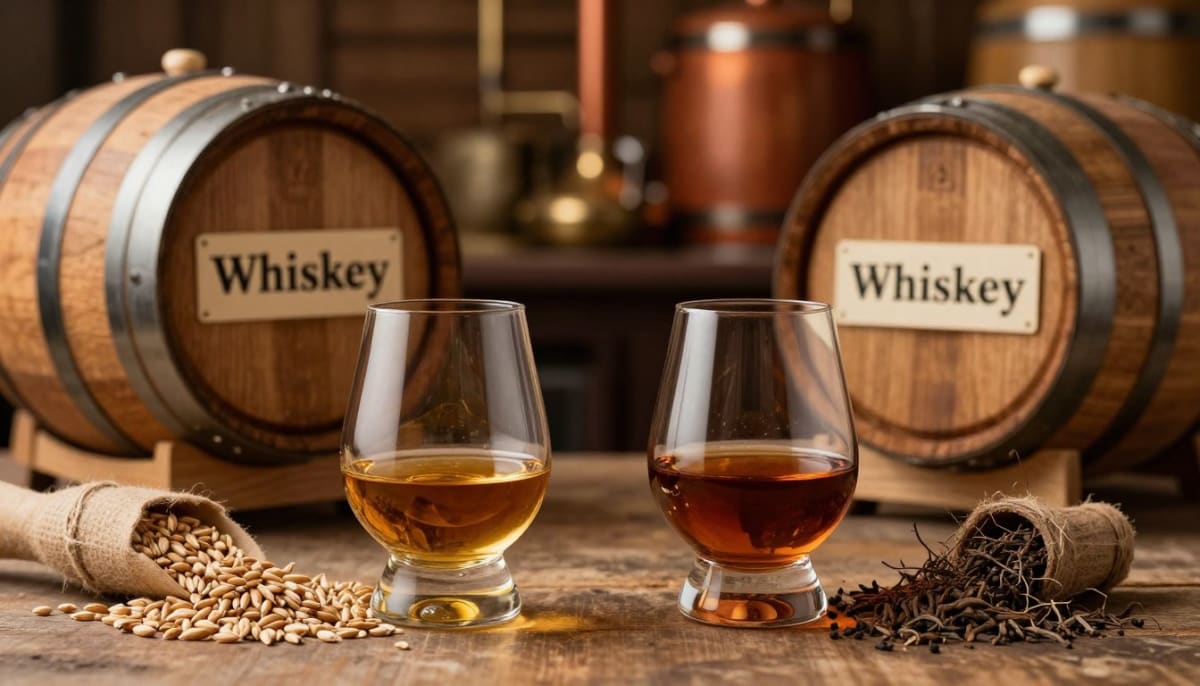
Caption: The Difference Between Whiskey and Scotch You Should Know • Image rights reserved by Annuity Outlook.
The Difference Between Whiskey and Scotch You Should Know
Stepping into the world of fine spirits can feel like entering a vast, complex library. Whether you are a casual fan or a budding collector, understanding the difference between whiskey and scotch is essential for refining your palate. These iconic drinks carry deep histories that shape every single drop you pour into your glass.
difference between whiskey and scotch
Many people assume these spirits are interchangeable, but their unique production methods tell a different story. Geography and tradition play massive roles in how these beverages develop their signature profiles. By exploring these nuances, you gain the confidence to choose the perfect bottle for any occasion.
This guide serves as your personal roadmap through the traditions of global distilling. We will break down the terminology so you can navigate the shelf with ease. Get ready to discover the rich heritage behind your favorite glass of amber liquid.
Defining the Core Distinctions
The distinction between these two spirits is rooted in strict regulations that protect their unique heritage. While many people use the terms interchangeably, the industry maintains a clear boundary between them. Understanding these foundational rules is the first step in appreciating the integrity behind every bottle you encounter.
The Legal Definitions of Whiskey and Scotch
At its most basic level, the difference often starts with the spelling. In the United States and Ireland, the spirit is typically spelled with an "e," while in Scotland, Canada, and Japan, it is spelled "whisky." Beyond the spelling, the legal definitions dictate specific production methods and ingredients.
Dany is a business journalist with Annuity Outlook Magazine, with over 16 years of experience across print, digital, and wires. He covers business, technology, policy, and corporate developments, with a focus on in-depth reporting and analysis. Over the years, he has worked across multiple editorial platforms. Skilled in content creation, editing, proofreading, and overseeing print layouts, his career spans multiple editorial platforms.
For a spirit to be labeled as Scotch, it must adhere to the Scotch Whisky Regulations. These laws ensure that the product is made from water and malted barley, though other cereal grains may be added. The spirit must also be distilled at less than 94.8% alcohol by volume to ensure that the flavor of the original ingredients remains intact.
"Tradition is not the worship of ashes, but the preservation of fire."
Gustav Mahler
In contrast, general whiskey definitions are often broader, depending on the country of origin. However, they generally share these common requirements:
Distillation from a fermented grain mash.
Maturation in wooden containers.
Bottling at a minimum of 40% alcohol by volume.
Retention of the taste, aroma, and characteristics generally attributed to the spirit.
Geographical Requirements for Production
Geography plays a massive role in the classification of these spirits. A product cannot simply be called Scotch because it follows the traditional Scottish process; it must be produced within the borders of Scotland itself.
This geographical protection is a legal mandate designed to safeguard the reputation of the spirit. If a distillery in Kentucky uses the exact same methods as a distillery in the Highlands, the resulting product still cannot be labeled as Scotch. It must be sold as American whiskey or another appropriate category.
This ensures that consumers know exactly where their spirit comes from and the standards under which it was crafted. By respecting these regional boundaries, producers maintain the authenticity and heritage that define the global spirits market today.
The Historical Roots of Distillation
To understand the complexity of modern spirits, we must look back at the rugged origins of early distillation. This ancient craft has evolved significantly over centuries, transforming from a medicinal practice into a global cultural phenomenon. Every drop tells a story of human ingenuity and the relentless pursuit of flavor.
The Evolution of Scotch in Scotland
The story of Scotch begins in the misty, rugged landscapes of Scotland. Early records suggest that Christian monks brought the knowledge of distillation to the region as early as the 15th century. These pioneers initially used the process to create aqua vitae, or the water of life, primarily for medicinal purposes.
Over time, the local population adapted these techniques using the abundant barley found in the Scottish climate. What started as a crude, potent spirit gradually refined into the complex beverage we recognize today. This centuries-old tradition became deeply woven into the fabric of Scottish identity, surviving through changing laws and shifting economic landscapes.
The Spread of Whiskey Production Globally
As travelers and settlers moved across the globe, they carried the secrets of distillation with them. This migration allowed the craft to adapt to new environments and diverse agricultural resources. In North America, for instance, distillers began using corn and rye, which were far more accessible than the traditional barley of the Old World.
This global expansion led to the diverse styles of whiskey that fill modern shelves today. Each region infused its own cultural preferences and local ingredients into the process, creating unique flavor profiles. By understanding this historical journey, we gain a much deeper appreciation for the craftsmanship behind every glass.
Understanding the Difference Between Whiskey and Scotch
If you have ever wondered about the difference between whiskey and scotch, the answer begins in the field with the choice of grain. While both spirits share a common ancestry, the specific raw materials used in their production create unique flavor profiles that set them apart.
Key Ingredients and Mash Bills
The mash bill, or the recipe of grains used, is a primary factor in the difference between whiskey and scotch. American whiskeys, such as Bourbon, rely heavily on corn, which provides a naturally sweet and robust foundation.
In contrast, traditional Scotch whisky focuses primarily on malted barley. This choice of grain contributes to a more complex, earthy, and sometimes nutty character that defines the spirit's identity.
The Role of Malting and Peat
Malting is a critical step where barley is soaked in water to encourage germination before being dried. This process releases enzymes necessary for fermentation, which is a hallmark of quality production.
Many Scotch varieties take this a step further by using peat smoke during the drying phase. This ancient technique imparts a distinct, smoky aroma that is rarely found in other types of whiskey. By understanding these technical elements, you can better appreciate the difference between whiskey and scotch in every glass you pour.
The Distillation and Aging Process
Beyond the ingredients, the physical equipment used during production dictates the final character of your favorite dram. The journey from a raw fermented liquid to a refined spirit involves precise mechanical steps that shape the flavor profile. Every choice made by the distiller leaves a lasting mark on the final product.
Copper Pot Stills Versus Column Stills
Traditional Scotch production often relies on copper pot stills, which operate in batches. These stills are known for producing a heavier, more robust spirit because they allow more congeners—the compounds responsible for flavor—to pass through the distillation process. This method requires significant labor and time, but it creates a depth of character that many enthusiasts find essential.
In contrast, column stills, also known as continuous stills, offer much higher efficiency. They can run indefinitely, producing a lighter, cleaner, and higher-proof spirit. While often associated with grain whiskies or lighter styles, column stills are a marvel of modern engineering that allow for consistent, large-scale production.
The Importance of Cask Selection and Maturation
Once the spirit leaves the still, it is clear and sharp, requiring time in wood to mellow. The selection of oak casks is perhaps the most critical decision a producer makes during the aging process. Whether using ex-bourbon barrels or ex-sherry casks, the wood acts as a filter and a flavor contributor, softening the harsh edges of the raw spirit.
Maturation is not just about waiting; it is an active interaction between the liquid and the porous wood. Over years, the spirit breathes in and out of the barrel, absorbing tannins, vanillins, and colors from the oak. This slow transformation is what turns a simple distillate into a complex, premium bottle that tells a story of time and place.
Regional Variations in Scotch Whisky
Understanding regional variations is the secret to finding a bottle that perfectly matches your personal taste. Scotland is home to diverse whisky-producing regions, each offering a unique sensory experience based on local environmental factors. By exploring these areas, you can better appreciate the craftsmanship behind every glass.
The Characteristics of Speyside and Highland Malts
Speyside is often considered the heart of the industry, known for producing elegant and refined spirits. These whiskies frequently feature delicate notes of honey, vanilla, and orchard fruits like apples or pears. Because of the lush landscape, many distillers here focus on a smooth, approachable profile that appeals to both beginners and experts.
Highland malts cover a vast geographical area, resulting in a wide spectrum of flavors. You might find a light, floral dram in the north or a richer, more full-bodied spirit in the south. Consistency and complexity are the hallmarks of these regions, making them a fantastic starting point for your exploration.
The Distinctive Profiles of Islay and Campbeltown
If you prefer a bolder experience, the islands offer a dramatic shift in character. Islay is world-famous for its intense, smoky, and peaty profiles that often carry a distinct maritime influence. These whiskies are frequently described as having a "salty" or "medicinal" quality that lingers on the palate.
Campbeltown, once the whisky capital of the world, provides a unique middle ground. Its spirits are known for being robust and oily, often balancing a touch of smoke with sweet, briny undertones. To help you choose your next bottle, consider these primary regional traits:
Speyside: Fruity, sweet, and highly approachable.
Highland: Diverse, ranging from floral to rich and spicy.
Islay: Powerful, heavily peated, and distinctly smoky.
Campbeltown: Complex, oily, and slightly salty.
American Whiskey Styles Explained
From the rolling hills of Kentucky to the historic distilleries of Tennessee, American whiskey is defined by strict standards. These regulations ensure that every bottle you purchase meets specific quality benchmarks. Understanding these categories helps you navigate the shelves of your local liquor store with complete confidence.
The Requirements for Bourbon Production
To be legally labeled as Bourbon in the United States, a spirit must adhere to a very specific set of rules. The most important requirement is the mash bill, which must contain at least 51% corn. This high corn content is exactly what gives Bourbon its signature sweet and mellow profile.
Furthermore, the spirit must be distilled to no more than 160 proof and entered into the barrel at no more than 125 proof. It must be aged in new charred oak containers, which impart deep notes of vanilla, caramel, and toasted wood. No artificial flavors or colors are allowed, ensuring that the final product remains pure and authentic.
American whiskey styles and production
Defining Tennessee Whiskey and Rye
Tennessee Whiskey follows many of the same rules as Bourbon, but with one crucial addition known as the Lincoln County Process. Before the spirit enters the barrel for aging, it must be filtered through sugar maple charcoal. This extra step results in a remarkably smooth finish that distinguishes it from its Kentucky cousins.
Rye whiskey, on the other hand, focuses on a different primary grain. By law, the mash bill must consist of at least 51% rye, which creates a bold and spicy character. While Bourbon leans toward sweetness, Rye is often favored by those who enjoy a drier, more complex experience in their glass.
Flavor Profiles and Sensory Experiences
Developing a refined palate for spirits is a rewarding journey that transforms every sip into an exploration of history and craft. By learning to identify specific flavor notes, you can better appreciate the complex work that goes into every bottle. This practical guide will help you engage your senses to detect the subtle nuances hidden within your favorite glass.
Identifying Notes in Scotch Whisky
Scotch whisky is often celebrated for its remarkable depth and variety. Many enthusiasts start by looking for the signature earthy or medicinal peat smoke found in expressions from islands like Islay. These bold, smoky characteristics often contrast beautifully with the lighter, floral, or fruity notes found in Highland and Speyside malts.
To truly appreciate these spirits, take a moment to nose the glass before your first sip. You might discover hints of sea salt, dried heather, or even toasted nuts. Training your nose to pick up these delicate aromas is the first step toward mastering the art of tasting.
Recognizing the Sweetness of American Whiskey
American whiskey, particularly Bourbon, offers a distinct profile defined by its unique production methods. You will frequently encounter rich notes of caramel, vanilla, and toasted oak, which develop during the maturation process in charred new American white oak barrels.
Because of the high corn content in the mash bill, these spirits often carry a natural, lingering sweetness on the palate. You might also detect warm spices like cinnamon or nutmeg, which provide a pleasant balance to the sugary undertones. Paying attention to these sweet, rounded flavors helps you distinguish the bold character of American styles from their international counterparts.
The Impact of Climate on Maturation
From the cool glens of Scotland to the sweltering heat of Kentucky, climate defines the aging journey. The environment where a spirit matures acts as a silent partner, shaping the final character of every bottle. While the recipe and distillation methods are vital, the surrounding weather dictates how the liquid interacts with the wood over time.
How Scottish Weather Influences Aging
Scotland is famous for its cool, damp, and relatively stable climate. This environment creates a slow and steady maturation process that allows the spirit to develop complexity without being overwhelmed by the barrel. Because the temperatures rarely spike, the liquid breathes in and out of the wood at a gentle, measured pace.
This gradual interaction is essential for the delicate profiles found in many single malts. The cool air prevents the spirit from becoming too woody or harsh, even after many years in the cask. Patience is truly a virtue in the Scottish highlands, where time is the most important ingredient for achieving a balanced, refined texture.
The Accelerated Aging Process in Kentucky
In contrast, the climate in Kentucky is defined by dramatic seasonal shifts. Hot, humid summers cause the liquid to expand deep into the charred oak staves, while cold winters cause it to contract. This aggressive interaction forces the spirit to extract sugars, tannins, and color from the wood much faster than in cooler regions.
The result is a spirit that reaches maturity in a fraction of the time required for its European counterparts. This rapid aging process imparts a bold, intense flavor profile and a rich, deep color that is characteristic of American whiskeys. By the time the liquid is bottled, it has absorbed a significant amount of the barrel's personality, leading to a robust and full-bodied experience.
Labeling and Classification Standards
You might find yourself staring at a wall of bottles, wondering what all those numbers and terms actually mean. Navigating the complex world of spirit labels can feel like learning a new language at first. However, mastering these details is the best way to ensure you pick a bottle you will truly enjoy.
Labeling and Classification Standards
Decoding Scotch Labels and Age Statements
When you look at a bottle of Scotch, the age statement is often the first thing that catches your eye. This number represents the minimum age of the youngest whisky used in the blend or vatting. If a bottle says "12 Years Old," every drop inside has spent at least that long maturing in oak casks.
Some bottles do not carry an age statement, which is often referred to as NAS. This does not mean the spirit is of lower quality or younger than expected. Instead, it allows the master blender to combine different ages to achieve a specific flavor profile that might not be possible with a single age constraint.
Understanding Whiskey Proof and Bottling Strength
In the United States, you will frequently see the term "proof" on labels. Proof is simply double the percentage of alcohol by volume, or ABV. For example, a whiskey that is 100 proof contains 50% alcohol by volume.
Many enthusiasts look for bottles labeled as cask strength or barrel proof. This means the spirit was bottled directly from the cask without adding water to dilute it. These expressions often provide a more intense and robust sensory experience compared to standard bottlings.
Always check the label for these specific indicators before making your purchase. Understanding these standards helps you predict the intensity and character of the liquid inside. With this knowledge, you can confidently explore new varieties and find your next favorite pour.
Serving and Enjoying Your Spirits
Unlocking the complex character of your favorite spirit is a skill that anyone can develop with a little practice. While the production process creates the foundation, the way you serve your drink determines how much of that craftsmanship you actually experience. By slowing down and focusing on your senses, you turn a standard pour into a truly memorable event.
The Proper Way to Nosing and Tasting
The first step in enjoying a fine spirit is choosing the right glassware. A tulip-shaped glass, often called a Glencairn, is ideal because it concentrates the aromas toward your nose. When you begin to nose the spirit, avoid sticking your nose deep into the glass, as the high alcohol content can overwhelm your senses.
Instead, gently swirl the liquid to coat the sides of the glass and let it breathe for a moment. Hold the glass a few inches away and take short, shallow sniffs to identify subtle notes like vanilla, oak, or dried fruit. Once you take a sip, let the liquid coat your tongue before swallowing to fully appreciate the texture and finish.
When to Add Water or Ice
There is a long-standing debate among enthusiasts regarding the addition of water or ice to a dram. Adding a few drops of room-temperature water can actually lower the alcohol intensity, which allows hidden aromatic compounds to emerge. This process, often called "opening up" the spirit, is particularly helpful for high-proof whiskies.
Ice, on the other hand, serves a different purpose by chilling the liquid and muting some of the sharper alcohol notes. While some purists argue that cold temperatures mask the complex flavors, others find that a large ice cube provides a refreshing experience on a warm day. Ultimately, the best way to enjoy your spirit is the way that brings you the most pleasure, so do not be afraid to experiment with different methods to find your personal preference.
Common Myths and Misconceptions
When exploring the world of spirits, you might encounter several myths that deserve a closer look. Many drinkers feel overwhelmed by the terminology, which often leads to unnecessary confusion. By addressing these points, we can better understand the difference between whiskey and scotch and enjoy our drinks with more confidence.
Debunking the Spelling Debate
One of the most frequent questions involves the spelling of the word itself. You will often see it written as "whisky" or "whiskey," leading some to believe one is superior to the other. In reality, this is simply a matter of geography and tradition rather than a measure of quality.
The spelling usually follows the country of origin. For instance, producers in Scotland, Canada, and Japan typically use the "whisky" spelling. Conversely, producers in the United States and Ireland generally include the "e" in "whiskey." It is important to remember that neither spelling indicates a better product.
Clarifying the Blended Versus Single Malt Confusion
Another common point of confusion is the distinction between single malt and blended spirits. Many people assume that "single" means better, but this is a misunderstanding of how these products are crafted. Understanding the difference between whiskey and scotch requires looking at the blending process.
Single Malt: This refers to a product made at a single distillery using only malted barley.
Blended: This involves mixing different whiskies from various distilleries to achieve a consistent flavor profile.
Quality Perception: Both categories offer exceptional options, and personal preference should always be your guide.
Blended spirits are often masterfully crafted to provide a balanced and smooth experience. Do not let labels dictate your palate. Whether you prefer the complexity of a single malt or the harmony of a blend, the best choice is the one you enjoy most.
Conclusion
Exploring the world of fine spirits reveals a vast landscape of tradition and craftsmanship. Every bottle tells a unique story rooted in geography, history, and the skill of the master distiller.
You now possess the knowledge to distinguish between the smoky depth of a Laphroaig and the sweet, robust character of a Maker’s Mark. This understanding transforms your next tasting experience into a deeper appreciation of the liquid in your glass.
Keep experimenting with different expressions to refine your personal palate. Visit local distilleries or join a tasting club to share your discoveries with fellow enthusiasts. Your journey through the diverse realms of Scotch and American whiskey is just beginning.
What bottle will you choose for your next pour? Share your favorite finds with friends as you continue to explore these legendary spirits. Enjoy the process of discovery one sip at a time.