U.S. Warns India Over Illegal Iranian Oil Shipments After Indian Sailors Killed in Gulf Attacks
U.S. warns India against illegal Iranian oil shipments, Indian sailors killed in U.S. strikes, Marco Rubio Jaishankar meeting, Iran oil trade sanctions, Strait of Hormuz tensions
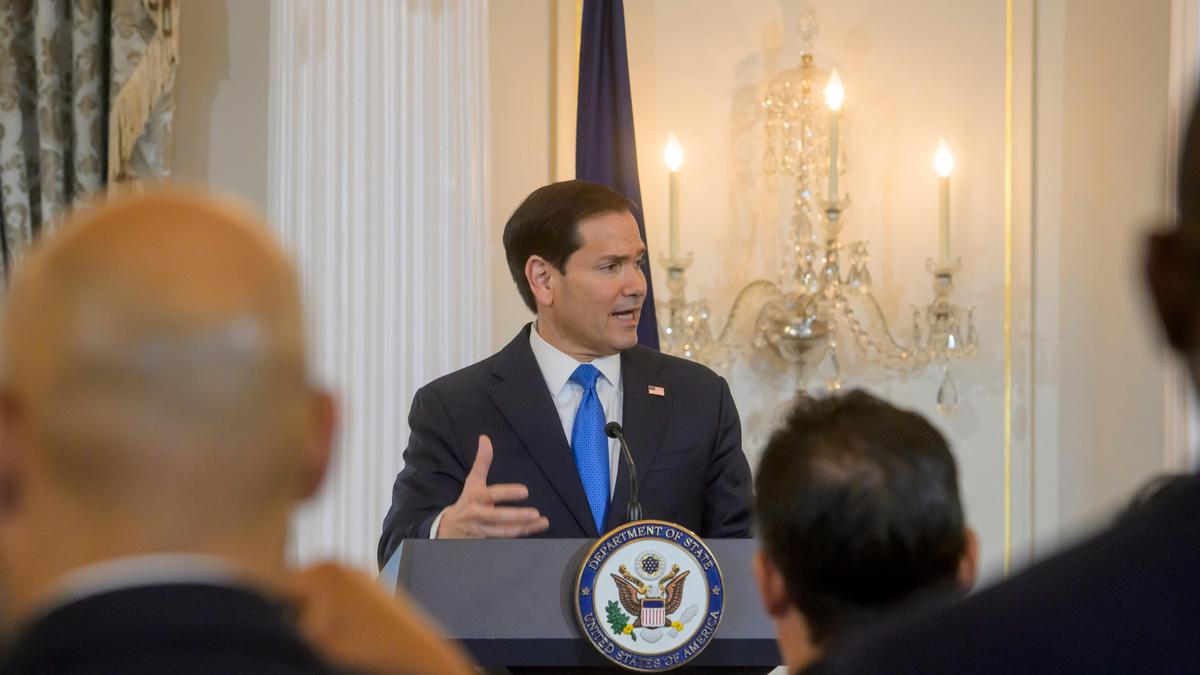
New Delhi, June 14, 2026: The United States has warned India that it will not permit the illegal transportation of Iranian oil through commercial shipping routes, even as diplomatic tensions rise over recent U.S. attacks on vessels carrying Indian sailors near the Gulf region.
The warning came during a conversation between U.S. Secretary of State Marco Rubio and India’s External Affairs Minister S. Jaishankar, days after three Indian mariners were killed in U.S. missile strikes on merchant vessels near the coast of Oman.
India Protests U.S. Attacks That Killed Indian Seafarers
India strongly condemned the attacks and summoned a representative from the U.S. Embassy to register its protest. Following his discussion with Marco Rubio, S. Jaishankar said India had conveyed its serious concerns over the use of force against commercial vessels.
Jaishankar stated that attacks resulting in the deaths of Indian sailors were unacceptable and stressed that lethal action against civilian merchant ships could not be justified.
The incident has become a major point of disagreement between New Delhi and Washington ahead of Prime Minister Narendra Modi’s upcoming meeting with U.S. President Donald Trump during the G7 summit in France.
U.S. Defends Actions, Says Ships Must Follow Naval Instructions
According to the U.S. State Department, Marco Rubio informed India that American forces would continue enforcing restrictions against what Washington described as illegal Iranian oil trade.
The United States also said that all vessels operating in the region should comply with instructions issued by U.S. military forces responsible for maintaining security around the Strait of Hormuz.
The recent strikes targeted three vessels near Oman, including Marivex, Settebello, and Jalveer. The attacks occurred amid increasing tensions in West Asia following the wider conflict involving the United States, Iran, and Israel.

Dany is a business journalist with Annuity Outlook Magazine, with over 16 years of experience across print, digital, and wires. He covers business, technology, policy, and corporate developments, with a focus on in-depth reporting and analysis. Over the years, he has worked across multiple editorial platforms. Skilled in content creation, editing, proofreading, and overseeing print layouts, his career spans multiple editorial platforms.