US-Iran Deal: How Long Will It Take for the Global Economy, Oil Prices and Trade to Recover? | Annuity Outlook Magazine
US-Iran Deal: How Soon Will the Global Economy Recover After the Strait of Hormuz Crisis?
The US-Iran peace agreement has lowered oil prices and improved market confidence, but experts say the global economy, shipping routes, and energy markets may take months to fully recover.
Caption: US-Iran Deal: How Soon Will the Global Economy Recover After the Strait of Hormuz Crisis? • Image rights reserved by Annuity Outlook.
US-Iran Peace Agreement Brings Hope, But Economic Recovery May Take Months
June 15, 2026: The framework agreement between the United States and Iran has sparked optimism across global financial markets, with hopes that the end of months of conflict in the Middle East could stabilize oil supplies, reduce inflation pressures, and support economic growth worldwide.
However, economists and energy experts caution that a return to normal conditions will not happen overnight. Although the agreement promises to reopen the Strait of Hormuz, one of the world’s most important energy corridors, disruptions caused by the war could continue affecting oil markets, shipping networks, food prices, and consumer costs for several months.
The conflict, which began after US and Israeli strikes on Iran on February 28, severely disrupted global trade routes and pushed energy prices to their highest levels in years.
Why the Strait of Hormuz Is So Important to the Global Economy
The Strait of Hormuz is a narrow waterway connecting the Persian Gulf with international oceans and is responsible for transporting approximately 20% of the world’s oil and liquefied natural gas (LNG) supplies.
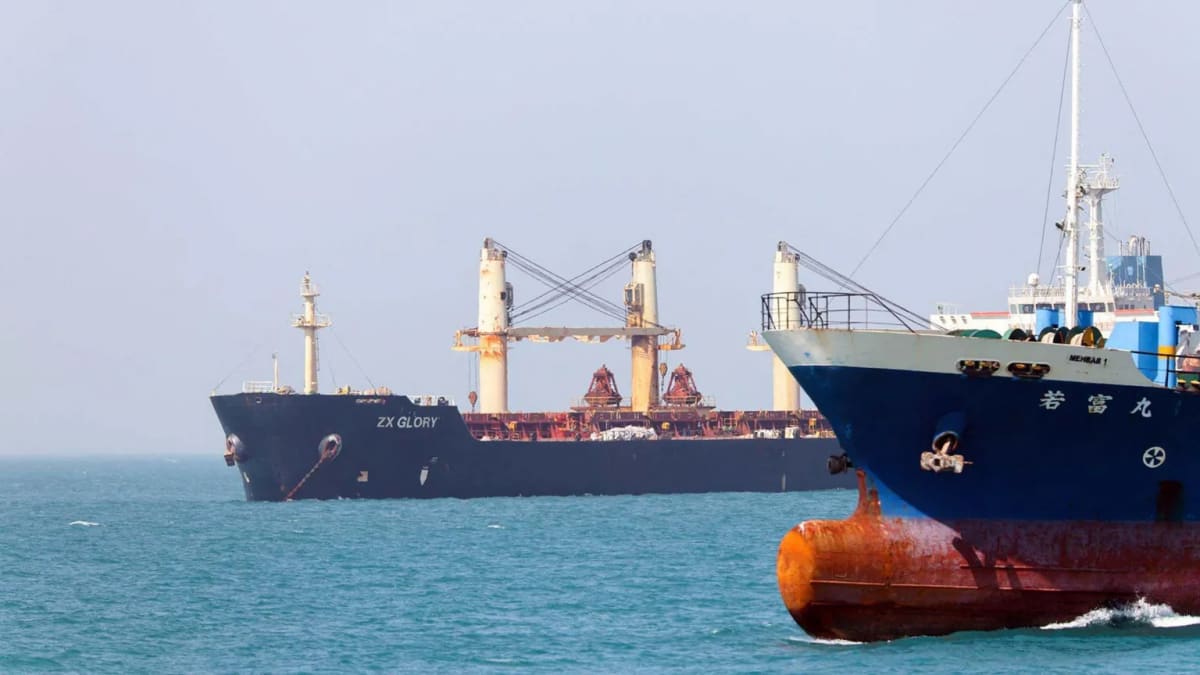
Following the escalation of the US-Iran conflict, commercial shipping through the route largely stopped, leaving hundreds of vessels stranded in the Gulf. Concerns over naval attacks, sea mines, and drone threats made many shipping companies unwilling to send vessels through the region.
Even after the latest agreement, industry experts say restoring normal shipping activity will take time. Tankers are currently positioned in the wrong locations, insurance costs remain uncertain, and oil facilities need time to return to full production capacity.
Major global shipping companies are also taking a cautious approach. Some vessels remain trapped in the Gulf, and operators are waiting for complete security clearance before resuming regular routes.
Dany is a business journalist with Annuity Outlook Magazine, with over 16 years of experience across print, digital, and wires. He covers business, technology, policy, and corporate developments, with a focus on in-depth reporting and analysis. Over the years, he has worked across multiple editorial platforms. Skilled in content creation, editing, proofreading, and overseeing print layouts, his career spans multiple editorial platforms.
One of the first signs of market relief was the sharp decline in oil prices after news of the US-Iran agreement.
Before the conflict, Brent crude oil traded at around $70 per barrel. As fears of supply shortages increased, prices surged and reached nearly $120 per barrel during the height of the crisis.
After the peace framework was announced, Brent crude dropped to around $83 per barrel, reflecting investors’ expectations that global oil supplies would gradually return.
Despite the decline, analysts warn that oil markets may continue to experience volatility. Questions remain about the final signing of the agreement, the long-term security of the Strait of Hormuz, and whether any future restrictions or fees could be imposed on vessels using the route.
Experts believe oil prices could fall below $80 per barrel in the short term, but the market may stabilize at higher levels as it adjusts to new geopolitical realities.
Impact on Petrol, Diesel and Energy Costs
The rise in crude oil prices during the conflict led to higher costs for petrol, diesel, aviation fuel, and transportation worldwide.
With oil prices now moving lower, consumers could eventually see relief at fuel stations. However, the reduction may not be immediate because fuel prices are affected by existing supply contracts, transportation expenses, taxes, and local market conditions.
Jet fuel prices have already started showing signs of decline, which could help reduce operating costs for airlines in the coming months.
Food Prices May Take Longer to Return to Normal
The economic impact of the conflict extended beyond energy. Higher oil and natural gas prices increased the cost of fertilizer production, placing additional financial pressure on farmers across the world.
A significant portion of globally traded fertilizer and natural gas moves through the Strait of Hormuz, meaning disruptions created supply shortages and pushed prices upward.
Although the reopening of the route could improve fertilizer availability, agricultural experts warn that the benefits may come too late for some growing seasons, potentially affecting global food production and keeping food prices elevated for longer.
Central Banks and Interest Rates Could Benefit
The Middle East conflict contributed to rising inflation concerns around the world, forcing central banks to reconsider their plans for reducing interest rates.
Higher energy costs had increased the possibility of additional rate hikes in major economies to control inflation.
The decline in oil prices following the US-Iran agreement may ease some of that pressure, allowing central banks such as the US Federal Reserve and the Bank of England to adopt a more stable approach toward interest rate decisions.
Lower borrowing costs over time could encourage businesses to invest, hire workers, and expand operations, while consumers may become more confident about spending.
Global Trade and Shipping Face a Slow Recovery
Although political leaders have celebrated the agreement, the practical challenges of restoring international trade remain significant.
Ships stuck in the Gulf must be repositioned, sea routes must be inspected for safety, and insurance companies need to reassess the risks associated with operating in the region.
Shipping companies are expected to resume operations gradually rather than immediately returning to pre-war levels.
A complete recovery of maritime traffic through the Strait of Hormuz could take weeks or even months.
A Positive Step, But Uncertainty Remains
The US-Iran agreement marks an important turning point for the global economy, reducing fears of a prolonged energy crisis and bringing optimism to financial markets.
However, the path to complete economic recovery depends on the successful implementation of the agreement, the safe reopening of the Strait of Hormuz, and the restoration of global energy supply chains.
While oil prices have already reacted positively, experts believe the full benefits of peace in the Middle East may take months to reach households and businesses worldwide.
The coming weeks will determine whether the agreement becomes a lasting solution that restores confidence to global markets and brings stability back to international trade.