US-Iran Peace Deal: Trump and Pakistan Push Sunday Signing
President Trump and Pakistan project a Sunday signing for a historic US-Iran peace deal to reopen the Strait of Hormuz, though Tehran urges caution.
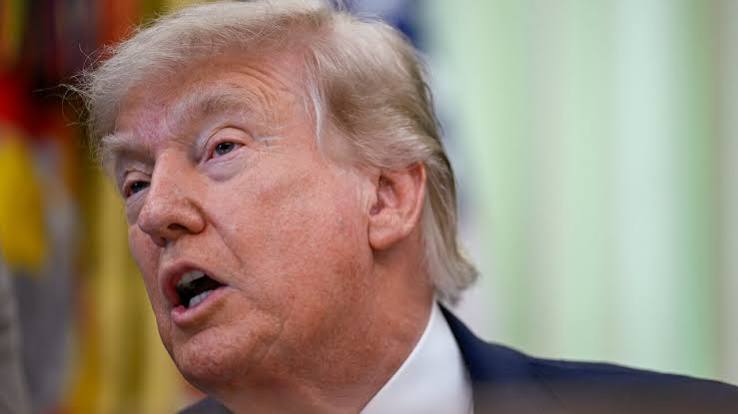
A historic geopolitical breakthrough may be imminent as United States President Donald Trump and Pakistani mediators project the signing of a monumental US-Iran peace deal as early as Sunday. The proposed agreement aims to halt hostilities, lift biting sanctions, and immediately reopen the vital Strait of Hormuz to global shipping.
Despite the optimism radiating from Washington and Islamabad, Tehran has adopted a more conservative stance. Iranian officials caution that while a resolution is closer than ever, discrepancies over the exact timing of the signing remain.
Disagreement Over Timing and Next Steps
Pakistan Prime Minister Shehbaz Sharif confirmed that Islamabad is preparing for an electronic signing of the peace framework within the next 24 hours. This initial accord will reportedly trigger a 60-day window of technical-level negotiations focused heavily on Iran's nuclear program.
However, Iranian Foreign Ministry spokesperson Esmail Baghaei tempered expectations, stating that a Sunday signing is unlikely. Baghaei urged caution, suggesting the final execution of the agreement is more likely to occur in the coming days.
Meanwhile, domestic pressure is building within Iran. Hardline protesters gathered outside the Foreign Ministry in Mashhad, chanting slogans against top diplomat Abbas Araghchi over his concessions in the US-backed proposal.
The Battle for the Strait of Hormuz
At the heart of the ongoing negotiations is the de-escalation of maritime tension in the Strait of Hormuz. Iran has maintained a strict blockade on the strategic passage, requiring transit tolls and military clearance for commercial vessels.
Under the proposed terms, the United States would release billions of dollars in frozen Iranian assets and ease oil export sanctions. In exchange, Iran must dismantle its highly enriched uranium stockpiles and accept long-term international nuclear inspections.
G7 nations, including the United Kingdom and France, have already signaled their readiness to launch coordinated demining operations in the waterway. This step is seen as crucial for restoring confidence in global energy markets and stabilizing shipping routes.

Dany is a business journalist with Annuity Outlook Magazine, with over 16 years of experience across print, digital, and wires. He covers business, technology, policy, and corporate developments, with a focus on in-depth reporting and analysis. Over the years, he has worked across multiple editorial platforms. Skilled in content creation, editing, proofreading, and overseeing print layouts, his career spans multiple editorial platforms.