US-Iran Peace Deal Expected to Be Signed on Sunday as Donald Trump Announces Hormuz Strait Reopening
Donald Trump says a US-Iran peace deal is scheduled to be signed on Sunday. The agreement could reopen the Strait of Hormuz and ease Middle East tensions.
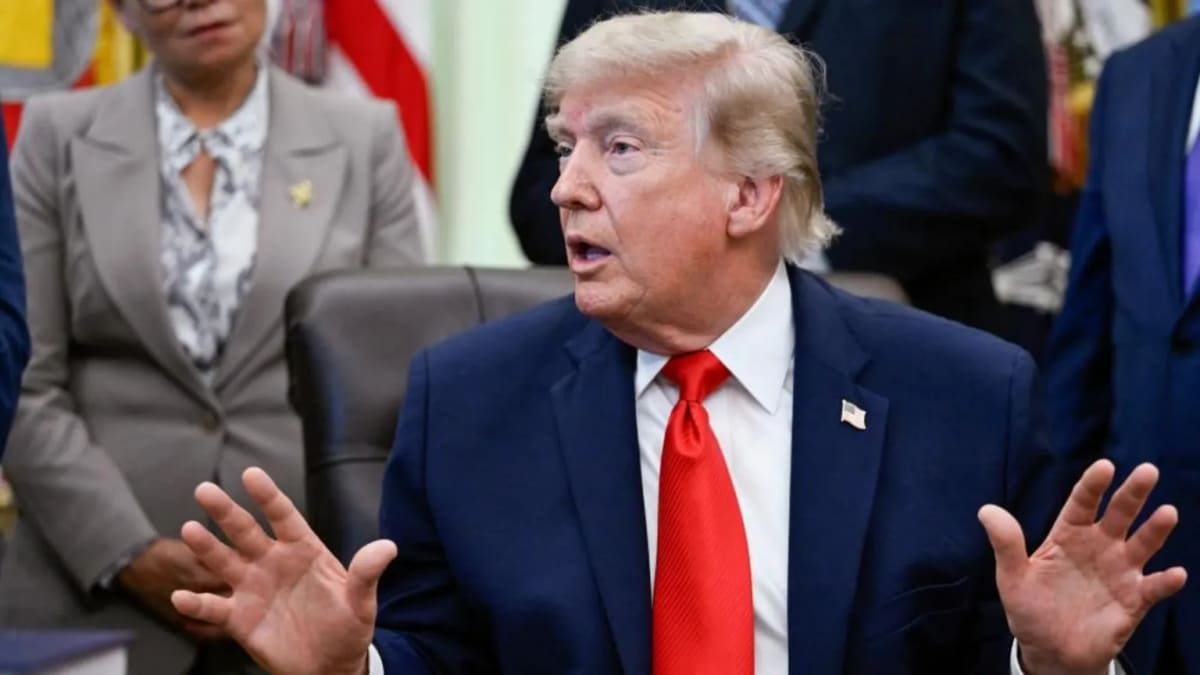
Washington DC, June 14, 2026: A major diplomatic breakthrough may be on the horizon as United States President Donald Trump announced that a peace agreement between the US and Iran is scheduled to be signed on Sunday, potentially ending months of conflict and reopening the strategically crucial Strait of Hormuz.
The announcement came after Iran expressed caution regarding the exact timing of the agreement. Iranian Foreign Ministry spokesperson Esmaeil Baghaei stated that officials would have to wait for confirmation of the final signing date, indicating that the memorandum of understanding was unlikely to be signed immediately.
Donald Trump Confirms US-Iran Deal Timeline
Taking to his social media platform Truth Social, President Donald Trump declared that the agreement was expected to be finalized on Sunday and that the Strait of Hormuz would be reopened for international shipping immediately after the deal comes into effect.
“The Deal is scheduled to get signed tomorrow, and immediately after it is signed, the Hormuz Strait is OPEN TO ALL,” Trump wrote.
The Strait of Hormuz is one of the world's most vital maritime routes, carrying a significant portion of global oil and liquefied natural gas supplies. Its closure during the conflict raised concerns about energy markets and global economic stability.
Pakistan Plays Key Role as Mediator
Pakistan has emerged as a significant diplomatic mediator in the negotiations. Prime Minister Shehbaz Sharif stated that both sides were closer than ever to reaching a final agreement.
According to Sharif, the peace deal was likely to be finalized within 24 hours, with Pakistan preparing for an electronic signing ceremony followed by technical-level discussions in the coming week.
Iran’s Nuclear Program and Future Negotiations
In his statement, Trump also referred to Iran’s enriched uranium stockpiles, saying that the United States would deal with what he described as “Nuclear Dust” once stability was restored.

Dany is a business journalist with Annuity Outlook Magazine, with over 16 years of experience across print, digital, and wires. He covers business, technology, policy, and corporate developments, with a focus on in-depth reporting and analysis. Over the years, he has worked across multiple editorial platforms. Skilled in content creation, editing, proofreading, and overseeing print layouts, his career spans multiple editorial platforms.