Oil Prices Drop Over 5% and Global Markets Rise After US-Iran Deal to Reopen Strait of Hormuz | Annuity Outlook Magazine
Oil Prices Fall and Global Stocks Rally After US-Iran Peace Deal Eases Middle East Tensions
Oil prices fall sharply and global stock markets rally after the US and Iran announce a peace framework deal that could reopen the Strait of Hormuz and restore energy supplies.
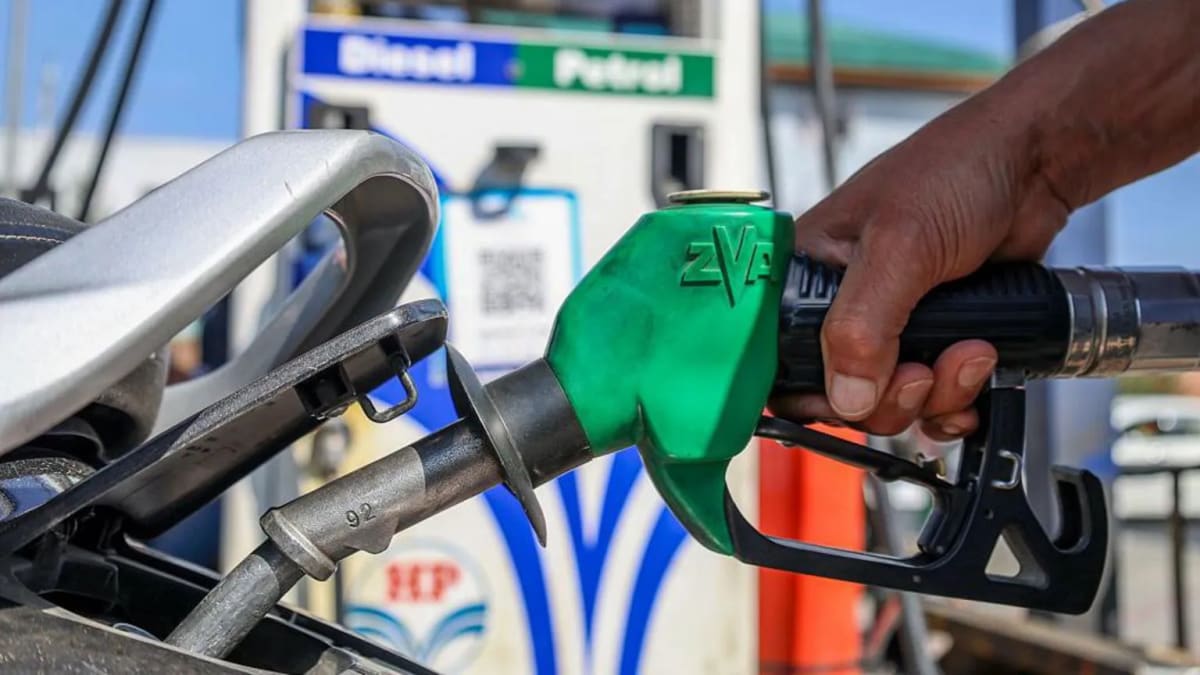
Caption: Oil Prices Fall and Global Stocks Rally After US-Iran Peace Deal Eases Middle East Tensions • Image rights reserved by Annuity Outlook.
Brent Crude Drops as Markets Welcome Breakthrough Between Washington and Tehran
June 15, 2026: Global financial markets reacted positively after the United States and Iran announced a framework agreement aimed at ending months of conflict in the Middle East. The breakthrough sparked a sharp decline in oil prices and pushed stock markets higher worldwide as investors hoped for the restoration of stability in one of the world's most important energy regions.
Brent crude oil, the international benchmark for oil prices, fell by more than 5% to around $82.84 per barrel following the announcement. The decline came after US President Donald Trump declared that the agreement would lead to the reopening of the Strait of Hormuz, a critical shipping route responsible for transporting nearly one-fifth of the world's oil and liquefied natural gas supplies.
Trump celebrated the development on social media with the message, “Let the oil flow!”, signaling optimism that global energy supplies would soon return to normal.
US-Iran Framework Deal Brings Hope to Energy Markets
The agreement represents the biggest diplomatic breakthrough since the beginning of the US-Iran conflict earlier this year. Pakistan, which played a key role in mediating negotiations between the two countries, announced that a formal signing ceremony is expected to take place on June 19 in Switzerland.
Iran’s Deputy Foreign Minister Kazem Gharibabadi also confirmed that Tehran and Washington had finalized the agreement, raising hopes that military tensions in the Gulf region could significantly decrease.
The deal is expected to reopen the Strait of Hormuz, which has remained effectively closed since the conflict escalated following US and Israeli airstrikes on Iran on February 28.
The closure of the waterway created major disruptions in global energy markets because approximately 20% of the world's oil and LNG shipments normally pass through the strait
Dany is a business journalist with Annuity Outlook Magazine, with over 16 years of experience across print, digital, and wires. He covers business, technology, policy, and corporate developments, with a focus on in-depth reporting and analysis. Over the years, he has worked across multiple editorial platforms. Skilled in content creation, editing, proofreading, and overseeing print layouts, his career spans multiple editorial platforms.
Why Oil Prices Are Falling After the US-Iran Agreement
Oil prices had surged dramatically during the conflict due to fears of supply shortages. Before the war began, Brent crude traded at approximately $70 per barrel.
As tensions intensified and concerns over shipping disruptions increased, oil prices climbed sharply and reached nearly $120 per barrel at the peak of the crisis.
The announcement of a peace framework reduced fears of prolonged supply disruptions, causing investors to sell oil contracts and lowering prices.
However, energy analysts have warned that market volatility could continue because important details of the agreement remain unclear and restoring normal shipping operations may take time.
Asian, European and US Stock Markets Move Higher
The easing of geopolitical tensions triggered a strong rally in global stock markets.
Asian markets recorded some of the biggest gains:
Japan’s Nikkei 225 rose around 5%.
South Korea’s Kospi index jumped approximately 5.2%.
The region benefited significantly from lower energy prices because many Asian economies depend heavily on oil and LNG imports from the Middle East.
European markets also moved higher. Germany’s DAX index gained around 1.2%, while France’s CAC 40 increased by about 0.7%.
In the United States, investors welcomed the agreement with the Dow Jones Industrial Average rising nearly 1%, the S&P 500 gaining around 1.6%, and the technology-focused Nasdaq Composite climbing roughly 2.5% during early trading.
Energy Companies Face Pressure as Oil Prices Decline
While most sectors benefited from falling energy costs, major oil companies experienced declines in their share prices.
In London, the FTSE 100 index slipped as energy giants BP and Shell saw their stocks fall due to expectations of lower profits from reduced crude prices.
Lower oil prices can benefit consumers and businesses by reducing fuel and transportation costs, but they often negatively impact companies involved in oil exploration and production.
Reopening the Strait of Hormuz Will Take Time
Although the agreement has improved market confidence, experts warn that global energy trade will not return to normal immediately.
Years of military tensions and months of conflict have left challenges in the Strait of Hormuz. Mines and security threats must be cleared before shipping can resume safely.
Energy specialists estimate that removing hazards, clearing the backlog of waiting tankers, and restoring full oil production could take several weeks or even months.
Former US Navy Rear Admiral Mark Montgomery stated that returning to normal shipping conditions could require around one to one-and-a-half months before vessels can move smoothly through the route.
What the US-Iran Deal Means for the Global Economy
The agreement has reduced immediate fears of a prolonged energy crisis and could help lower inflation pressures worldwide. During the conflict, higher oil prices contributed to rising fuel costs and increased concerns that central banks might have to maintain higher interest rates.
With crude prices falling and energy supply expectations improving, investors are becoming more optimistic that central banks, including the US Federal Reserve, may avoid further aggressive policy measures.
However, economists warn that the full economic impact of the conflict will continue to be felt for months, and the long-term success of the agreement will depend on how effectively both countries implement their commitments.
A Turning Point for Global Markets
The US-Iran framework agreement has delivered immediate relief to financial markets, with lower oil prices, stronger stock markets, and renewed confidence among investors.
However, the recovery of global energy supply chains and the complete reopening of the Strait of Hormuz remain complex processes that will require time and international cooperation.
The coming weeks will determine whether this diplomatic breakthrough becomes a lasting solution that brings stability to the Middle East and the global economy.